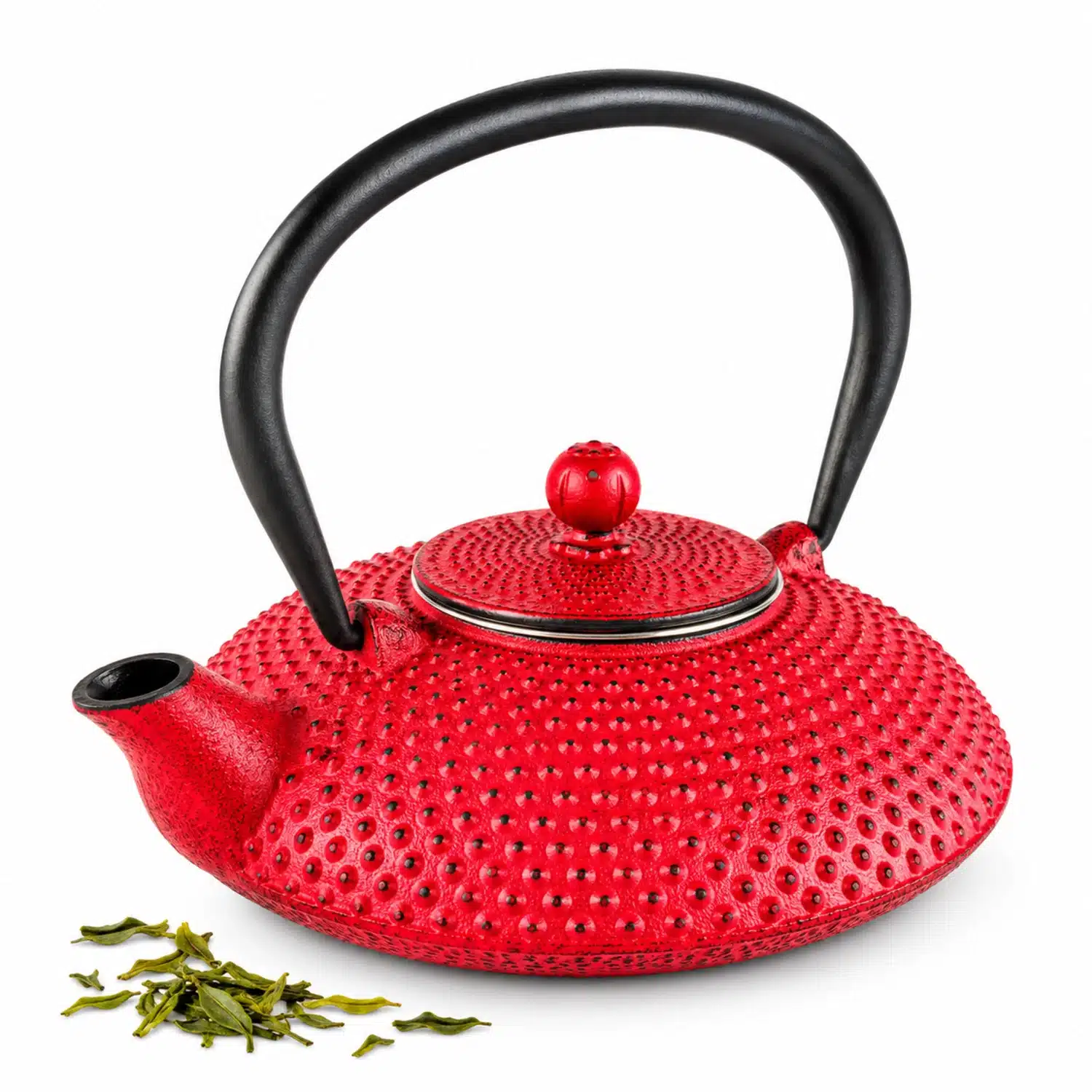
Why the name Momiji?
In Japan, momiji refers to the Japanese maple, the star of autumn colours with its red foliage, according to the news site Nippon.com. The name suits this teapot, whose cast iron shows a frank red.
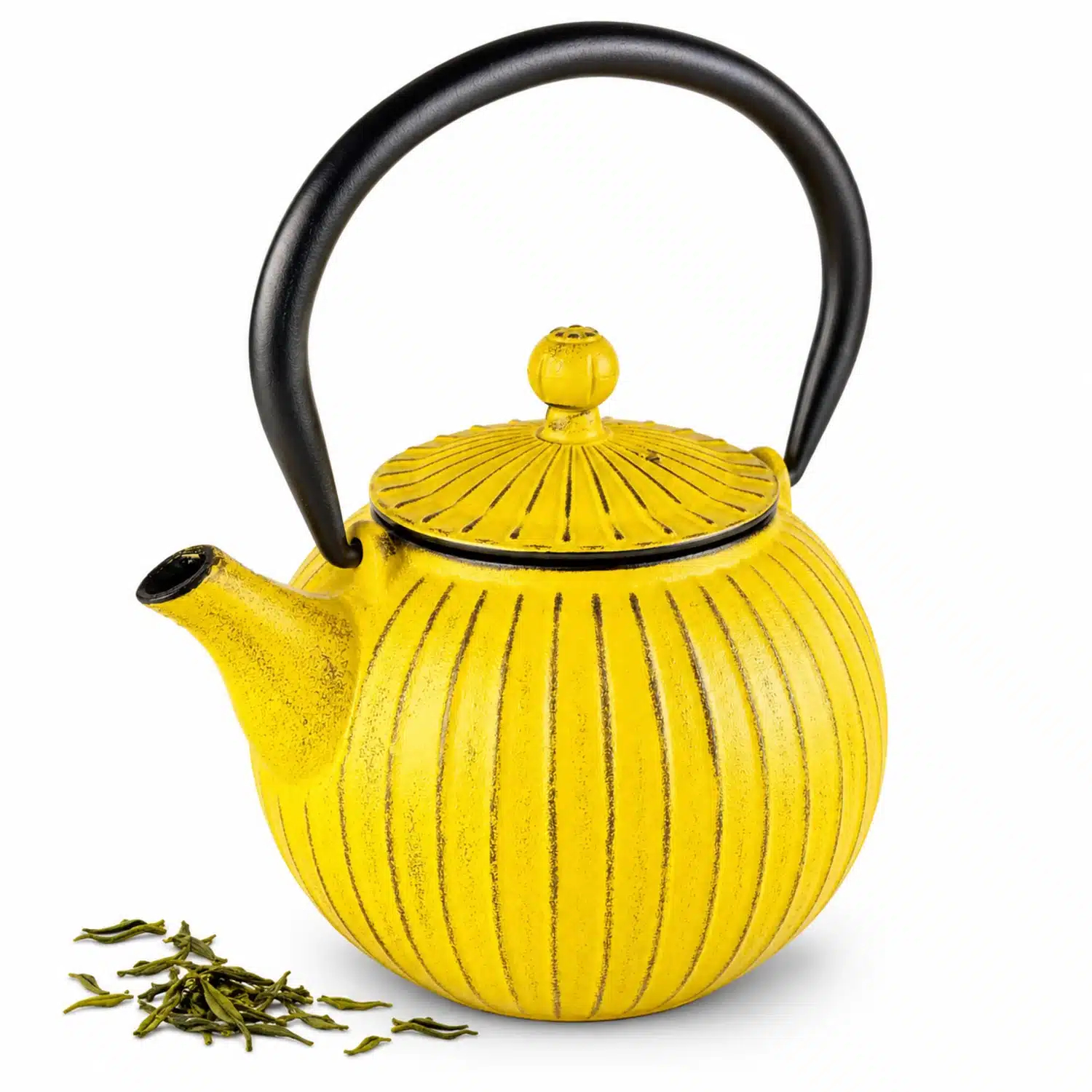
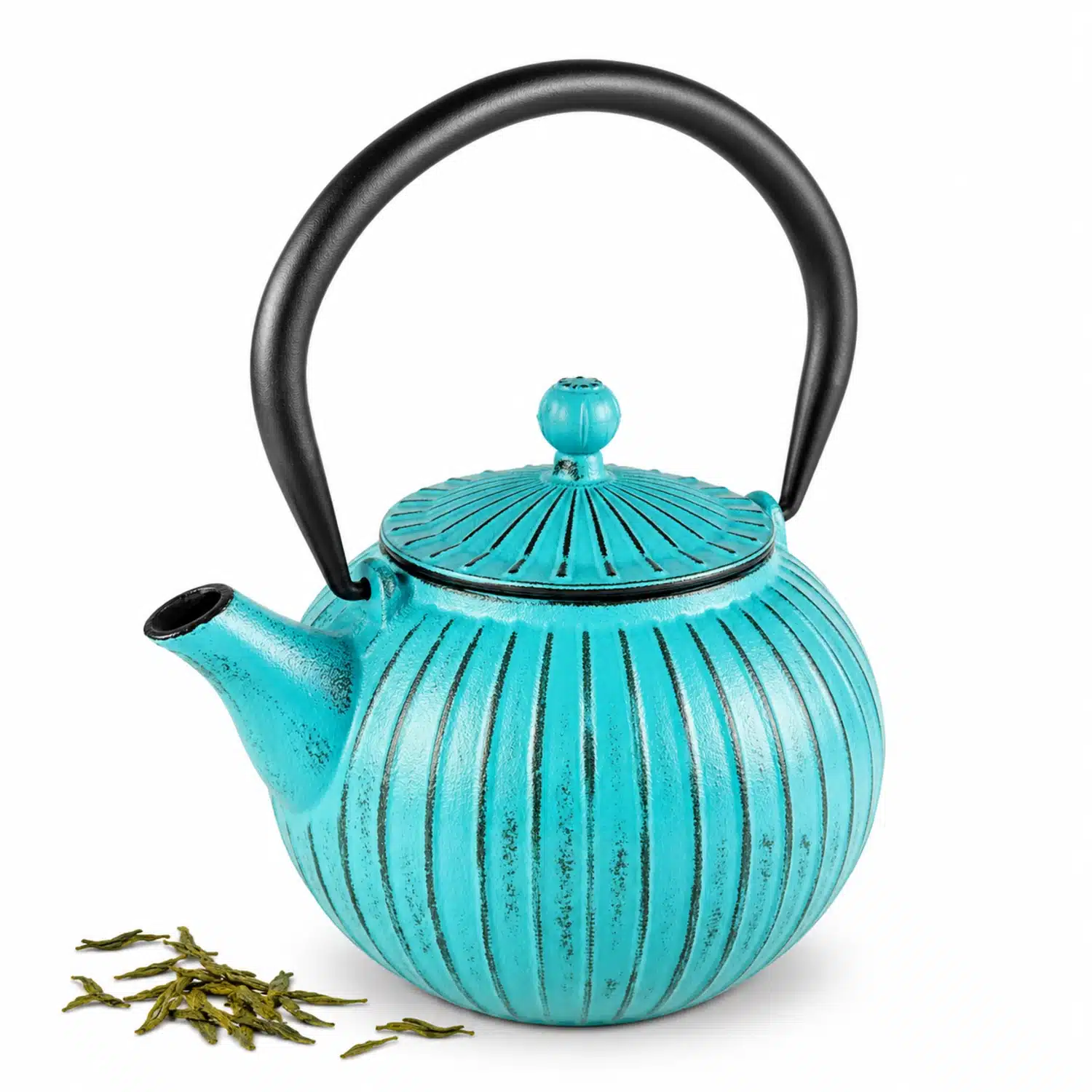
The decoration uses the arare pattern, the small rows of dots known as hailstones in Japanese according to the magazine Japan Objects. They cover the body down to the base and also adorn the lid.
A teapot that stands out on the table
Gift idea
A red teapot stands out on a shelf as much as on a tray, a lovely present for the end-of-year holidays.
800 ml size
A mid-range capacity in our selection, between the 500 ml Haiku and the one-litre Kurotama.
Black version
Same shape and same pattern in black: the Kurogane teapot.
Brewing and care
Place the leaves in the infuser and pour in water heated separately: a cast-iron teapot does not go on the heat. Our Japanese teas section offers a genmaicha and several sencha-based green teas.
After use, rinse with hot water, empty and dry: moisture makes cast iron rust, as noted by Japan Objects, which also advises against the dishwasher.
Momiji teapot specifications
Momiji red cast-iron teapot: frequently asked questions
What does Momiji mean?
The word refers to the Japanese maple and its red autumn foliage.
Is the Momiji the same model as the Kurogane?
According to the specifications, they share the shape, the arare pattern, the 800 ml capacity and the dimensions. Only the colour changes: red for the Momiji, black for the Kurogane.
How much does this red cast-iron teapot weigh?
1.4 kg empty.
Can it go in the dishwasher?
No, cast iron is rinsed by hand and dried straight away.
Does it come with a strainer?
Yes, a 304 stainless steel infuser.